

Abstract: Single artificial intelligence translation (AI Translation) models frequently encounter bottlenecks when processing professional documents, particularly exhibiting deviations in both terminology and subtle contextual nuances. This paper examines an advanced post-editing strategy based on multi-model comparison. By conducting comparative analysis of outputs from top-tier models such as GPT, Gemini, and Claude within the context of the complete document, intelligent optimization and selection of translations are achieved. We will provide a detailed account of how the Shangyi AI platform employs this methodology to help professionals overcome the inefficiencies of traditional post-editing, thereby significantly improving translation quality and consistency.
When dealing with highly specialized documents, the output from a single AI translation model frequently encounters challenges. Despite major technological advancements, translation outcomes may still deviate from expectations in specific contexts, specialized terminology, or subtle semantic nuances, leading to distortion of meaning.
Traditional post-editing processes typically entail passive correction of the initial AI-generated draft, which not only limits efficiency but may also inadvertently undermine terminological consistency within the document. Nevertheless, a more efficient paradigm is emerging: leveraging collaboration and comparison among multiple artificial intelligence models to achieve intelligent translation optimization.
This paper examines an advanced post-editing strategy which, within the full document context, intelligently selects and optimizes translations by conducting comparative analyses of leading AI models such as the GPT series, Gemini, and DeepSeek. This is not simply a matter of proofreading; rather, it constitutes a profound transformation of the translation quality control process.
Limitations of AI Translation in Professional Domains and the Critical Role of Post-Editing
It must be acknowledged that modern AI translation has already demonstrated excellence in contextual understanding and in the processing of most professional terminology. However, when faced with highly specialized terminology, corporate-internal jargon, or distinctive expressions grounded in specific cultural contexts, single-model approaches continue to exhibit limitations.
At this stage, post-editing (MTPE) becomes the final and most crucial safeguard for ensuring translation quality. Traditional manual proofreading depends on translators reviewing AI-generated drafts line by line, which is not only time-consuming but also susceptible to individual subjectivity. An even greater challenge lies in maintaining the consistency of key terms throughout extensive documents.
Intelligent tools offer solutions to this issue. Beyond relying on manual corrections, we can also 'train' AI to accurately translate specific terms by building custom terminology databases. Furthermore, advanced platforms such as Shangyi AI are leveraging their powerful capabilities to achieve unprecedented efficiency and precision in post-editing tasks.
AI-enabled post-editing: from passive correction to proactive optimization
The essence of intelligent post-editing lies in empowering users with comparative selection capabilities. When dissatisfied with a sentence’s translation, users are no longer confined to manual modification. Instead, they can instantly initiate 'secondary translation' via multiple AI models and select the optimal version. This approach offers advantages on two levels:
Eliminating Contextual Misinterpretation: Intelligent Re-translation Based on Complete Context
Although the translation of an individual sentence may be grammatically flawless, it can still appear abrupt within the context of a full paragraph. This exemplifies the typical limitation of traditional AI translation tools, which 'see the trees but not the forest.'
The intelligent post-editing function of Shangyi AI (商译AI) fully utilizes the entire document’s contextual information when retranslating specific sentences. The system comprehends the logical relationships between sentences, ensuring that revised versions are not only precise in themselves, but also seamlessly integrated with the surrounding context, maintaining consistency in style and terminology.
Drawing on Collective Strengths: Comparative Evaluation of GPT, Gemini, and Claude
Each large language model (LLM) possesses a distinct architecture and training corpus, which leads to divergent performance across various domains. For instance, GPT may demonstrate greater proficiency in creative expression, whereas Claude is often more rigorous in handling complex sentences and logic.
The primary advantage of the Shangyi AI platform lies in its integration of multiple leading AI models, including GPT, Gemini, and Claude. When users seek to optimize a translation, these models can be simultaneously invoked for processing.
This multi-model comparison mechanism enables users to discover the version that best meets their requirements among translations that differ in style and emphasis. This not only significantly improves translation accuracy, but also restores final decision-making authority to professional translators and editors.
Shangyi AI Platform in Practice: Five Steps to Achieve Multi-Model Optimization
Implementing this process on the Shangyi AI platform is highly intuitive.
Step One: Precise Identification and Selection
First, identify sentences within the document whose translation quality does not meet expectations or requires improvement. Users can also utilize the system’s filtering function to quickly locate untranslated or review-pending segments.
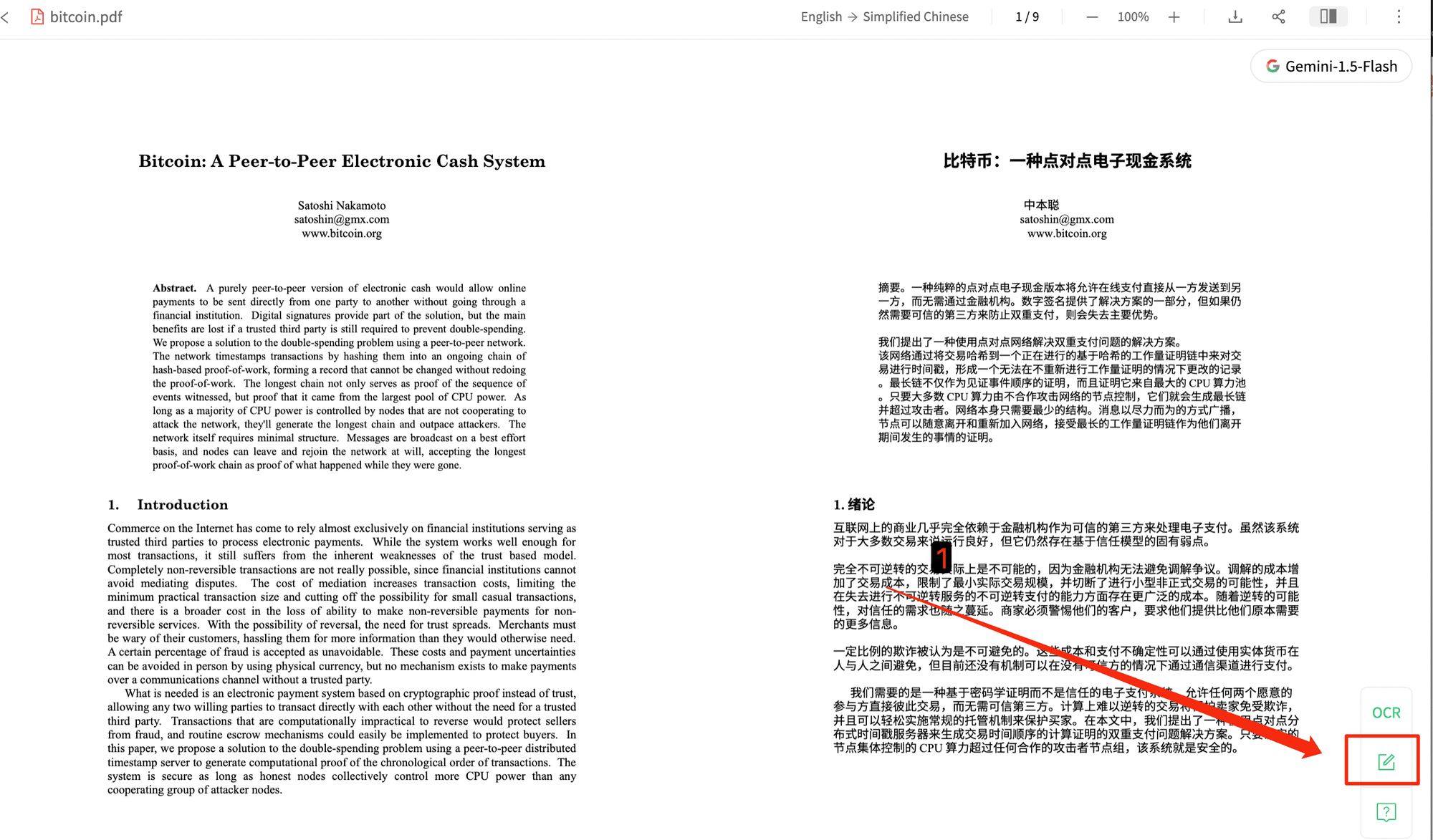
After selecting the sentence, click the AI Translate or Retranslate button to initiate the optimization process.
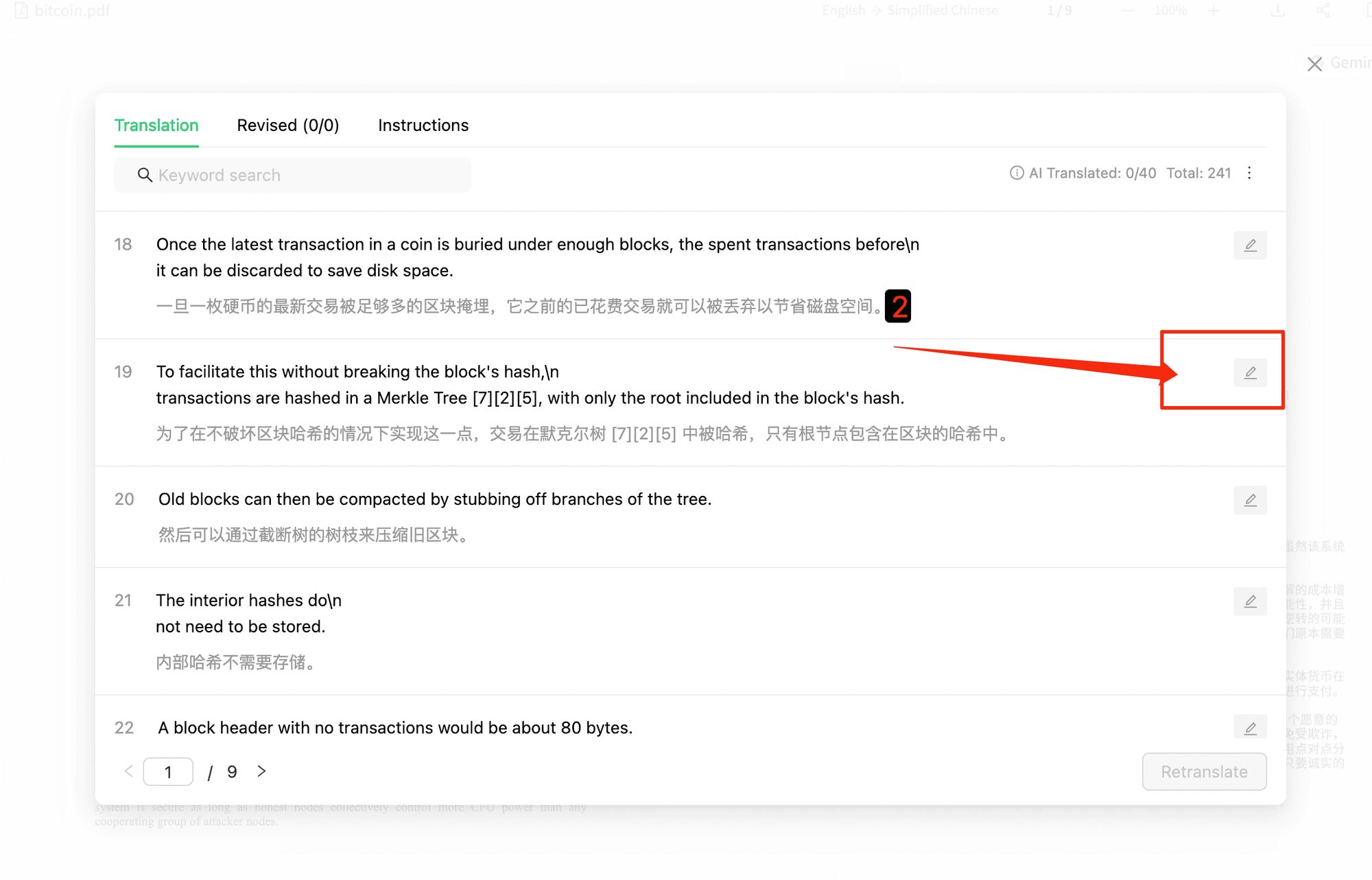
Step Two: One-Click Multi-Model Retranslation
After clicking, the system will transmit the full context of the current sentence to multiple AI models specified by the user. Within moments, the translation outputs from each model will be automatically presented.
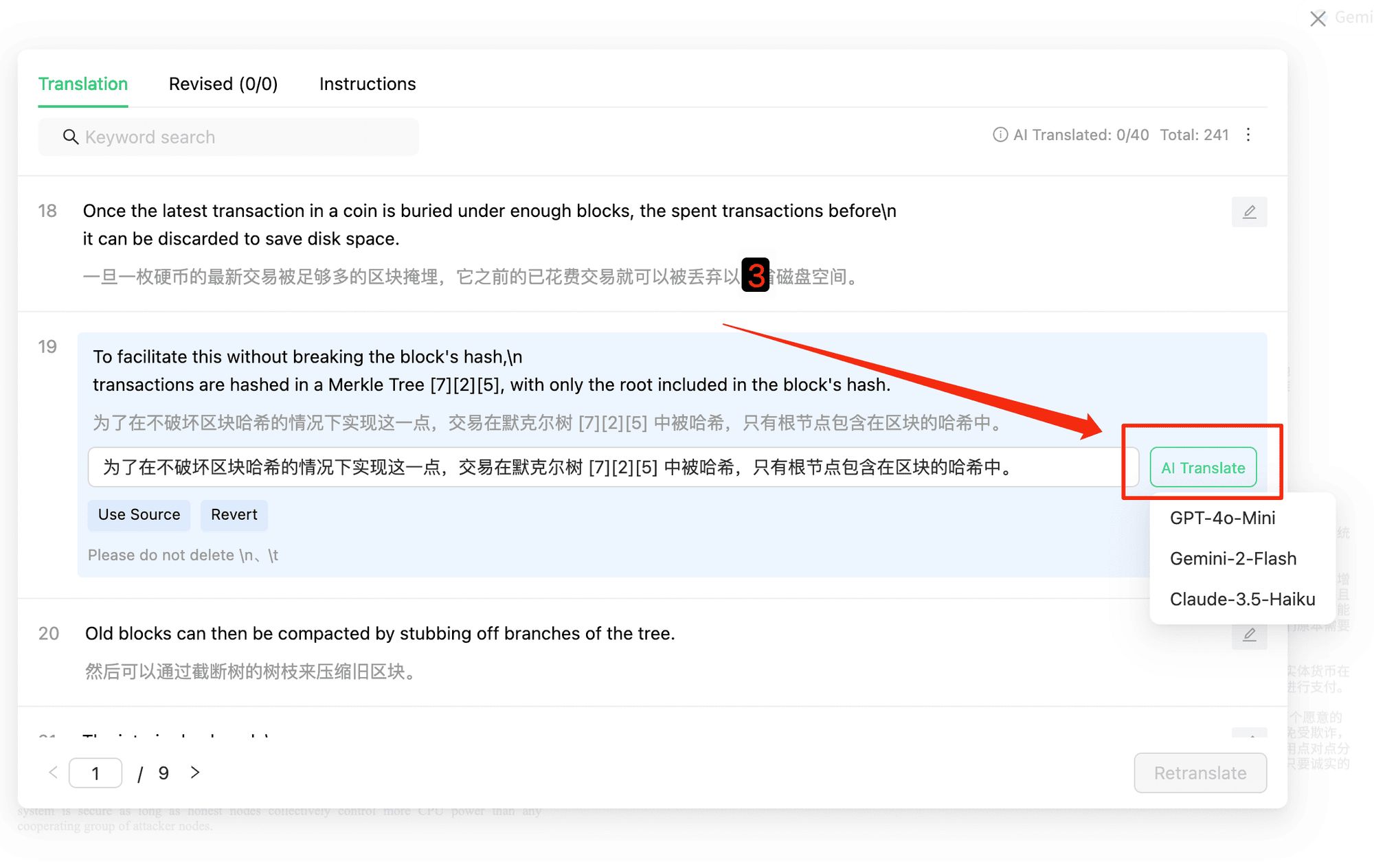
Step 3: Side-by-Side Comparison and Direct Selection
At this stage, the interface clearly presents the original translation alongside the outputs generated by each advanced model. By comparing the translations side by side, differences in fluency and lexical precision are immediately discernible.
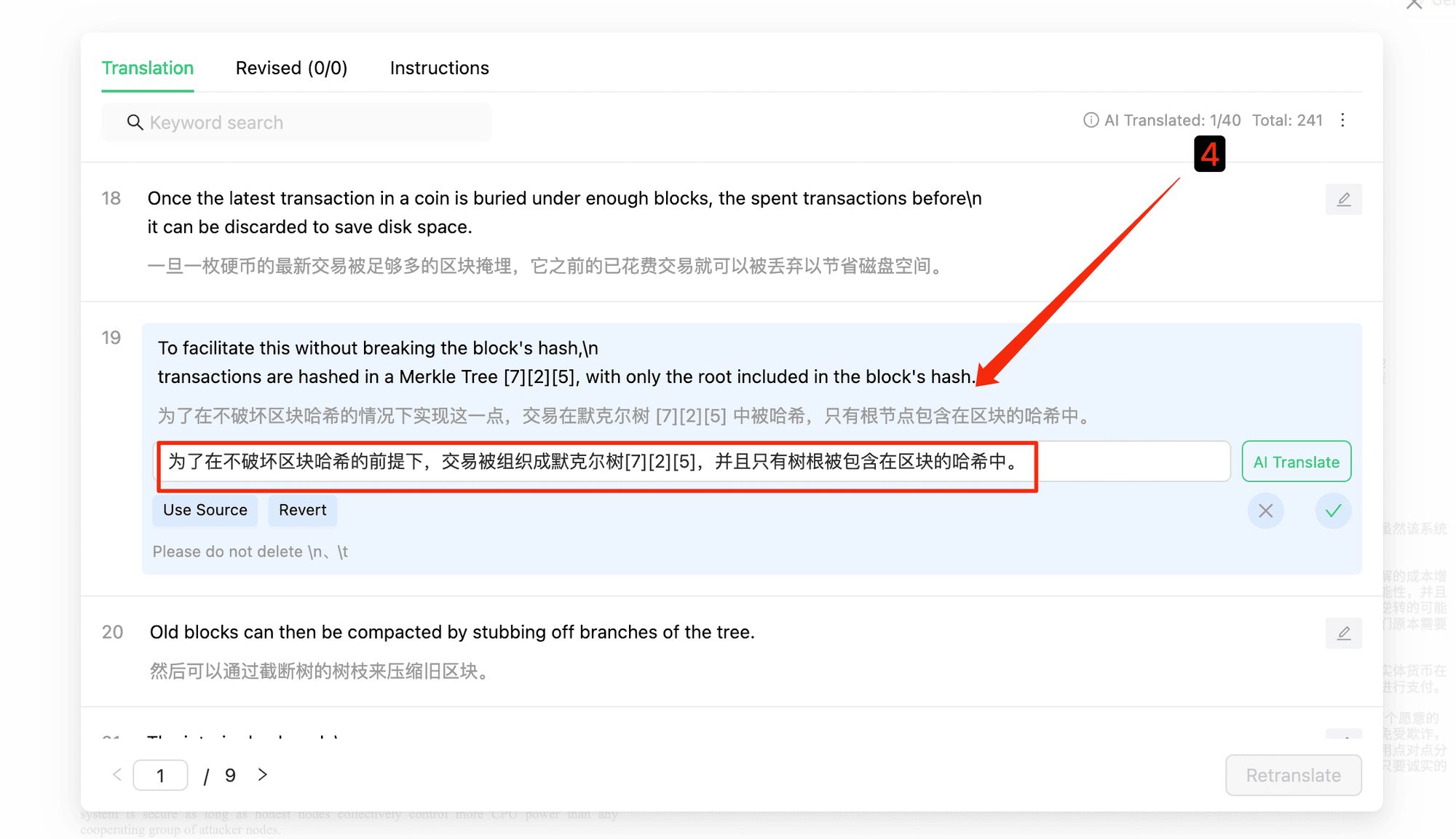
Step 4: Iterative Optimization and Draft Preservation
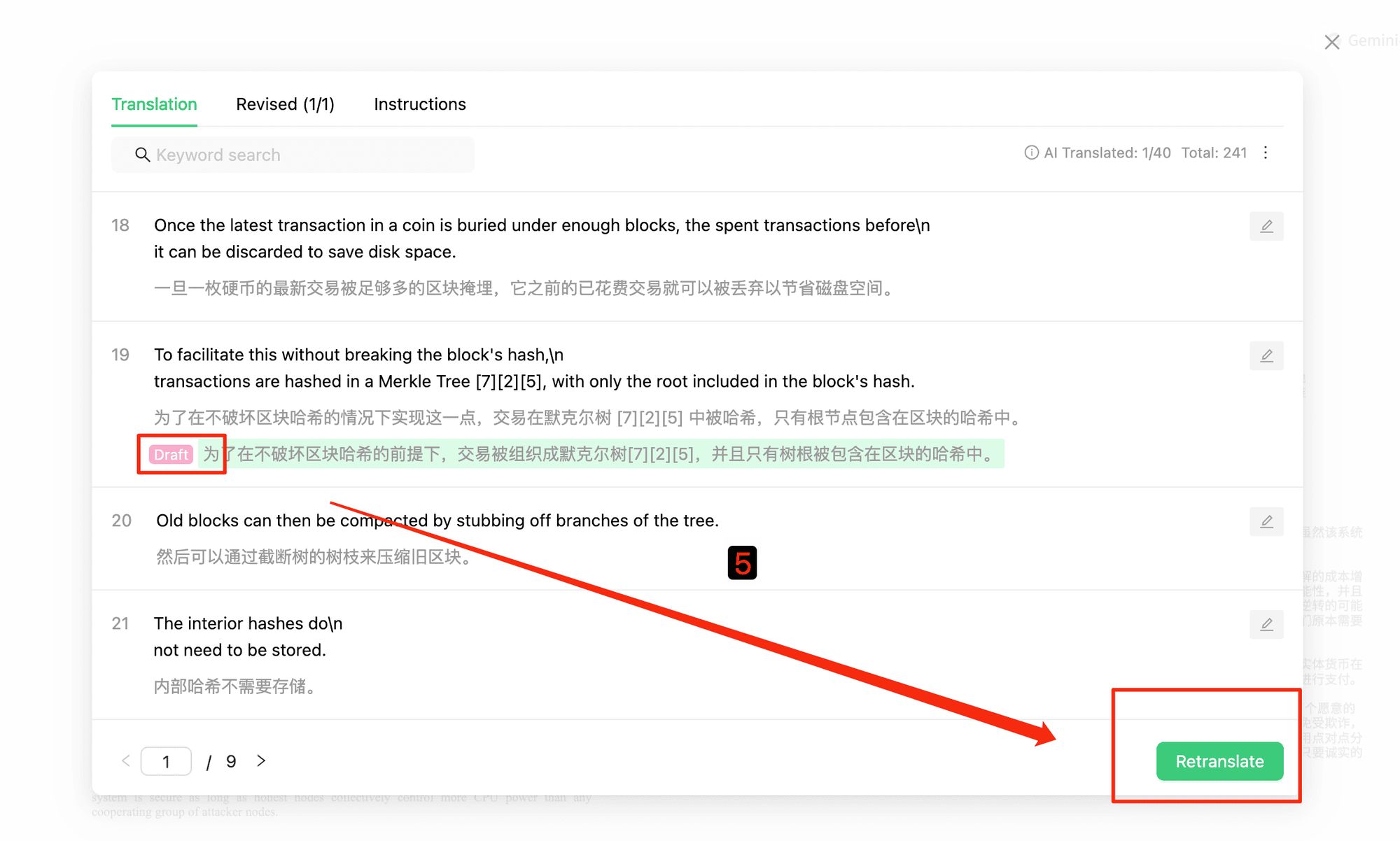
Select the most satisfactory version to confirm. This action will temporarily save the revisions as a draft and will not immediately overwrite the final document. If none of the model outputs are satisfactory, you may initiate AI translation on the draft again at any time to conduct a new round of optimization.
Step 5: Final Confirmation and One-Click Synchronization
Once all drafts have been reviewed, performing the 'Synchronize' or 'Confirm' operation will update all meticulously edited translations to the final document in a single batch.
Conclusion: Harnessing AI to Restore Professional Standards
Our goal is to elevate the quality and efficiency of document translation to new heights through continuous innovation. AI should not serve merely as an automation tool, but rather as a powerful, controllable, and reliable asset in the hands of professionals.
Shangyi AI is dedicated to providing professional AI translation and post-editing solutions. Visit https://shangyiai.com/ to experience how multi-model post-editing is transforming professional translation.